plasticker-News
Anzeige

| 2026-10-12, 06:00 |

|
Sukano: High-Temperature Compounds and Recyclate Solutions
 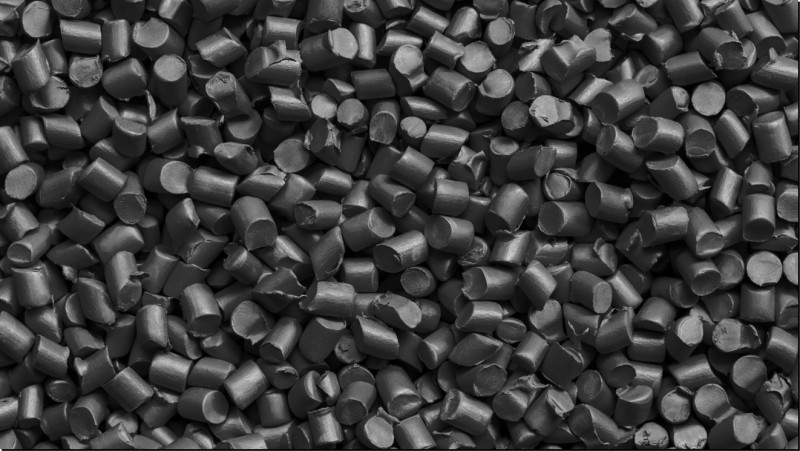 Black masterbatch - (Photo: Sukano) 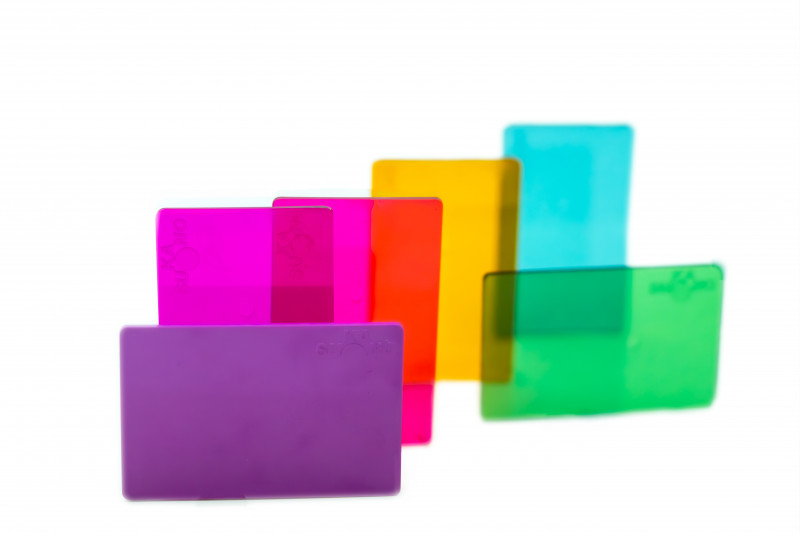 Hightemperature Polymere PESU/PSU - (Photo: Sukano).  Hightemperature Polymere PEEK - (Photo: Sukano). Sukano will present formulations for polysulfone (PSU), polyethersulfone (PESU), polyphenylsulfone (PPSU), and polyether ether ketone (PEEK). These compounds are designed to facilitate the replacement of metals and thermosets, helping to reduce weight, processing complexity, and potentially overall costs. In addition to mechanical performance, key priorities include reproducible color matching and color stability at high processing temperatures and under demanding service conditions. To achieve this, the company combines compounding expertise with application-specific color and additive systems. Glass Fiber-Reinforced rPET Compounds Another focus is glass fiber-reinforced rPET compounds containing the highest possible proportion of post-consumer recyclate (PCR). These materials are intended as alternatives to virgin engineering plastics. According to Sukano, the compounds offer high stiffness and resistance to deformation under high mechanical loads and at elevated temperatures. Depending on the application and formulation, the company also cites improved processability, increased toughness, and potential energy savings during processing. The announcement does not specify PCR content levels or provide quantified mechanical property data. Advert Recycling Laboratory for Masterbatch Evaluation
At its in-house recycling laboratory, Sukano simulates key stages of mechanical PET recycling under industrially relevant conditions. Using analytical and processing equipment, the company evaluates the impact of masterbatches on established PET recycling streams before commercial launch. Testing includes assessing changes in the optical and mechanical properties of the resulting recyclate. The objective is to identify potential trade-offs between functionalization, coloration, and recyclability at an early stage of product development. Adaptive Compounding for Recycled Plastics Adaptive compounding involves adjusting formulations to compensate for variations in the properties of post-consumer recyclate (PCR) and post-industrial recyclate (PIR). The objective is to produce engineering plastics from mechanically recycled feedstocks while maintaining consistent processing characteristics and end-use properties. According to Sukano, the carbon footprint of finished products manufactured from these compounds can be reduced by up to 80% compared with virgin-material alternatives. The announcement does not provide details of the calculation methodology or the reference products used for comparison. The family-owned Sukano Group is headquartered in Switzerland. In addition to its site in Schindellegi, the company operates production facilities in the United States, Malaysia, and Hungary, as well as a sales office in Shanghai. Fakuma 2026 Friedrichshafen, Germany October 12–16, 2026 Hall B3, Stand 3004 More information: www.sukano.com |
Sukano AG, Schindellegi, Switzerland
 back to news list back to news list | back to top |
Anzeige