plasticker-News
Anzeige
| 2026-10-09, 06:00 |

|
Leonhard Kurz: Integrated Surface Finishing and Material Concepts
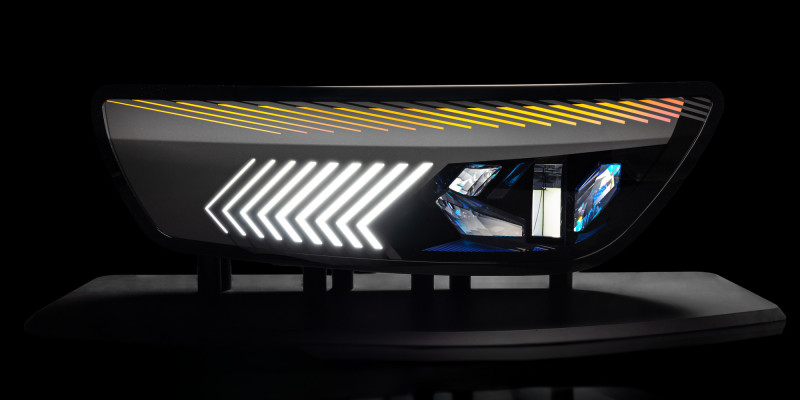
 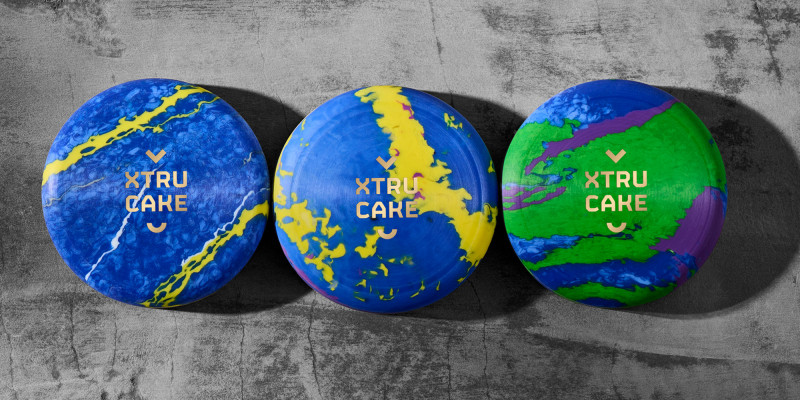 (Photo: Leonhard Kurz). 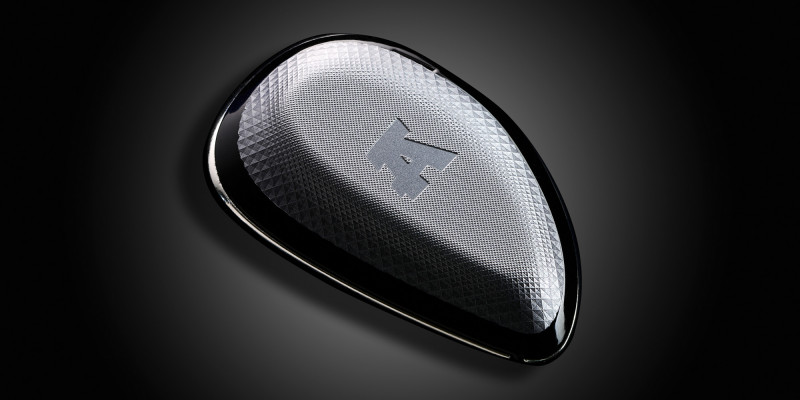 (Photo: Leonhard Kurz). Advert The three plastic components perform different functions: a transparent polycarbonate layer forms the optical component, while an ABS/PC frame stabilises the part. Subsequent PUR overmoulding using KraussMaffei’s “ColorForm” technology creates a protective surface that Kurz describes as having self-healing properties. The process is designed for integration into existing production lines and to allow the use of recycled materials. The front panel was manufactured on a KraussMaffei system. The materials are supplied by Sabic, Covestro and Rühl Puromer, while the mould technology comes from Kurz subsidiary Schöfer.
 (Photo: Leonhard Kurz). At its own stand, Kurz is demonstrating hot stamping together with its subsidiary Baier. The process enables the transfer of fine lettering and lines, as well as multicoloured motifs and colour gradients. According to the company, the thin-film technology used is also suitable for finishing recycled materials and is designed to preserve product recyclability. Another focus is on polypropylene-based natural fibre composites (NFPP). In this process, natural fibre mats are bonded directly to the decoration carrier. The mats supplied by partner Polyvlies can consist of 50 percent recycled natural fibres and 50 percent recycled polypropylene. Kurz is also showcasing “Recosys rPET”, obtained through its own take-back and recycling system. In the “Recosys” process, PET carrier residues are converted into single-polymer recyclate for new applications. The “EcoLayer FX” technology enables surface decoration on substrates that combine polypropylene with materials such as talc, cellulose or limestone. The thin decorative layer is intended to preserve the recyclability of the component. Further applications are being showcased jointly with Arburg in Hall A3, Stand 3101, and Deckerform in Hall A5, Stand 5205 (see plasticker news dated 26 September 2026). These partner projects focus on integrating surface finishing processes into industrial manufacturing. Fakuma 2026 Friedrichshafen, Germany 12–16 October 2026 Hall A4, Stand 4204 More information: www.kurz-world.com, www.kurz.de |
Leonhard Kurz Stiftung & Co. KG, Fürth, Germany
 back to news list back to news list | back to top |
Anzeige